
Remove Tenants Who Stop Paying Rent
Quick Evicts, Inc handles non-payment eviction cases in New York with proper notice drafting, court filing, and judgment coordination.
When a tenant stops paying rent and does not respond to your requests, you need a legal process that restores rental income and possession of your unit. Non-payment evictions in New York require specific notices, strict filing procedures, and compliance with rent stabilization and housing court rules. Quick Evicts, Inc manages each step from notice preparation through marshal coordination, ensuring your case meets current legal standards and moves forward without procedural delays.
The process begins with a consultation to confirm that rent is owed and that no defenses such as warranty of habitability claims are likely to succeed. A rent demand notice is prepared and served, allowing the tenant a statutory period to pay or vacate. If the tenant does neither, a non-payment petition is filed with the housing court in New York, and a hearing date is assigned.
If you own rental property in New York and a tenant has not paid rent, contact Quick Evicts, Inc to confirm eligibility and begin the filing process.
How Non-Payment Cases Move Through Housing Court
Your case starts with a rent demand notice that includes the amount owed, the time period for payment, and the consequences of non-compliance. In New York, this notice must be served using an approved method and must allow the tenant at least fourteen days to respond. Once the notice period expires without payment, a petition is filed with the housing court that has jurisdiction over your property.
After filing, you receive a court date and instructions for appearance. Quick Evicts, Inc coordinates all court appearances and responds to any defenses raised by the tenant. If the tenant claims repairs were needed or rent was withheld for legal reasons, the court will review evidence from both sides. Once a judgment is entered in your favor, a warrant of eviction is issued and a marshal is scheduled to remove the tenant and restore possession.
The service includes notice drafting, petition preparation, court appearance coordination, and marshal scheduling. It does not include collection of unpaid rent after judgment or damage claims, but it does provide complete support for obtaining possession of your unit.
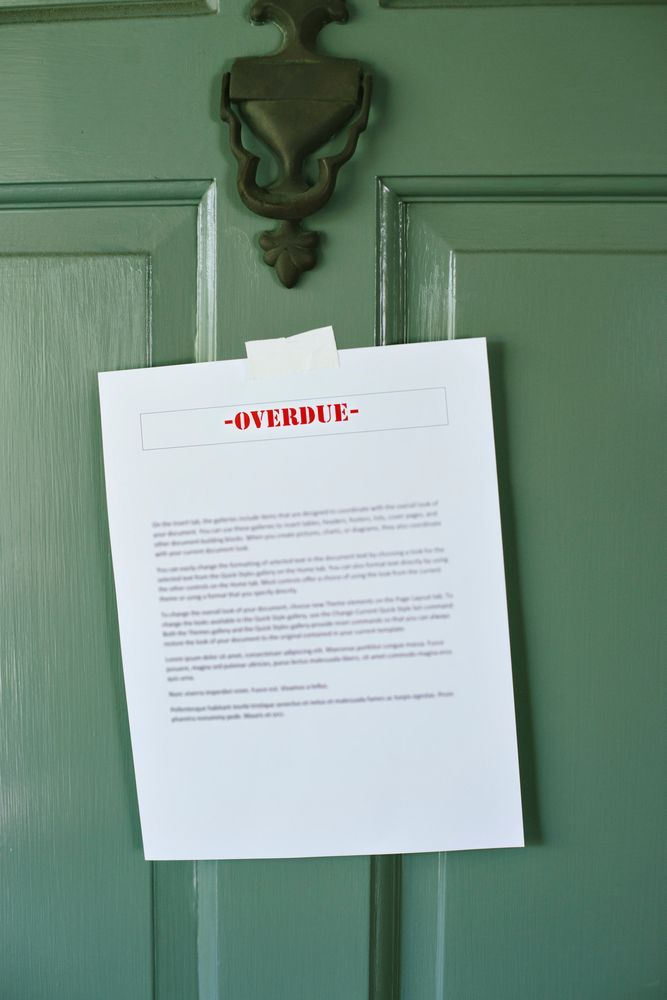
Before filing a non-payment case, landlords typically ask about timelines, tenant defenses, and what happens if the tenant pays after the petition is filed. These answers address the most common concerns.
Most landlords want to know what to expect
Quick Evicts, Inc provides non-payment eviction support for landlords across New York, with a focus on compliance, clear documentation, and structured case management. If a tenant has stopped paying rent and you are ready to begin the legal process, learn more about your case by scheduling a consultation to confirm eligibility and review your options.