End Leases Legally and Without Risk
Quick Evicts, Inc provides legal support for lease termination in New York, including notice drafting, risk review, and eviction filing if needed.
When you need to end a lease early or decline to renew, you must follow state and local laws that govern notice requirements, lease terms, and tenant rights. Lease termination in New York varies by tenancy type, rent regulation status, and the reason for termination. Quick Evicts, Inc drafts termination notices that comply with current law, reviews potential tenant challenges, and integrates eviction filing if the tenant contests the termination or refuses to vacate.
The process begins with a consultation to review your lease, confirm the legal basis for termination, and identify any risks such as retaliation claims or renewal rights. A termination notice is prepared with the correct language, timeline, and service method. If the tenant does not vacate by the notice deadline, a holdover petition can be filed to obtain a court order for possession.
If you own residential or commercial property in New York and need to terminate a lease, learn more by contacting Quick Evicts, Inc to review your lease and confirm the proper legal path forward.
Why Notice Accuracy Matters in Lease Terminations
Lease termination notices must include specific language based on the type of tenancy and the reason for ending the lease. In New York, a month-to-month tenant requires thirty days' notice, while a tenant with a fixed-term lease may require sixty or ninety days if rent stabilization applies. The notice must also state whether the tenant has any right to cure a violation or renew the lease.
After the notice is served, you wait for the tenant to vacate or respond. If the tenant does not leave, Quick Evicts, Inc files a holdover petition to obtain a judgment for possession. The court evaluates whether the notice was proper and whether the tenant has a valid defense. Once judgment is entered, a warrant of eviction is issued and a marshal is scheduled to enforce the eviction.
The service includes notice drafting, risk assessment, and eviction filing if necessary. It does not include negotiation of lease buyouts or settlement agreements, but it does provide complete legal support for terminating leases in compliance with state and local law.
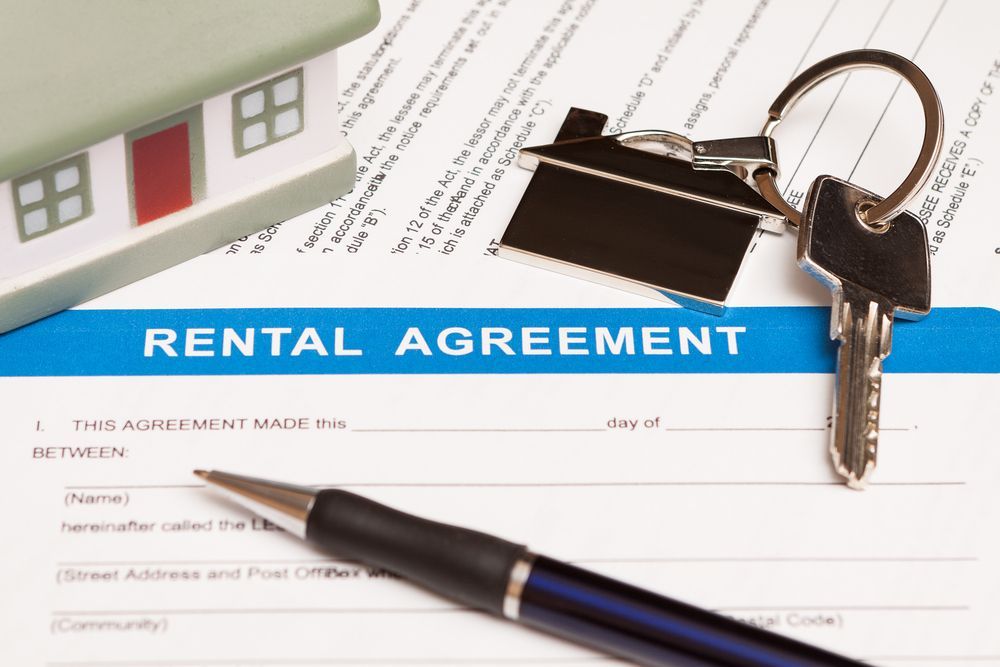
Before terminating a lease, landlords want to know how much notice is required, whether the tenant can challenge the termination, and what happens if the tenant refuses to leave. These answers address the most common concerns.
Landlords often ask about timing and challenges
Quick Evicts, Inc works with residential and commercial landlords across New York to terminate leases in full compliance with state and local law. If you need to end a lease and want to reduce the risk of tenant challenges, get in touch to schedule a consultation and review your lease terms and legal options.